
DNA and Nutrition: What a DNA Test Can and Cannot Tell You
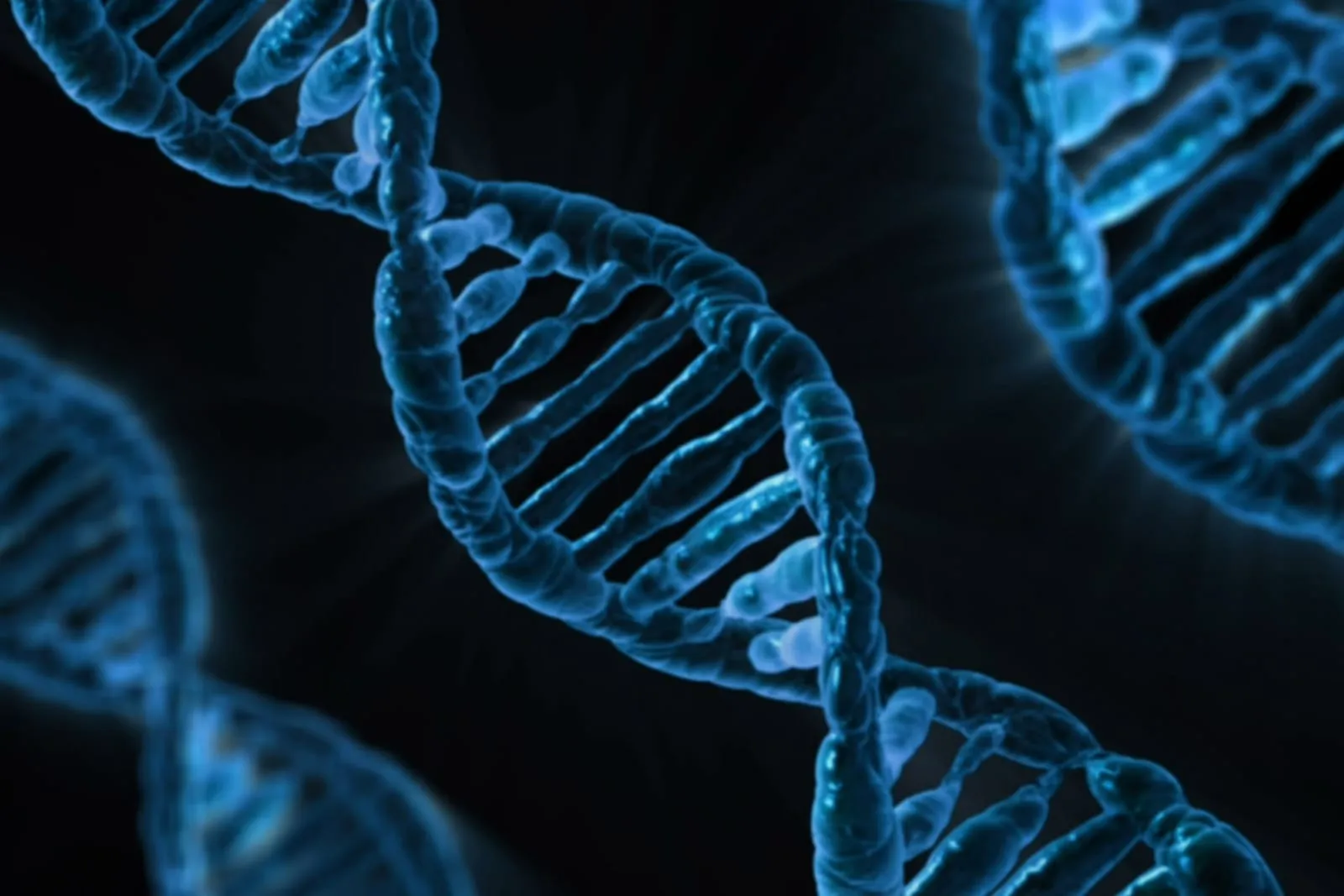
Everyone has met the person who drinks espresso at 9pm and sleeps like a baby, and the person who has one cup at lunchtime and is wide awake until 2am. Differences like these are partly down to genes. The study of how our genes and our diet interact is called nutrigenomics, and it has given rise to a growing number of DNA tests aimed at everyday eating and lifestyle choices.
Before you decide whether one is for you, it helps to know what these tests can say and, just as importantly, what they cannot.
A short primer on genes and variants
Your DNA is a long chemical code, and about 99.9 per cent of it is the same in every human. The small differences are what make us individual. The most common type is a single nucleotide polymorphism, or SNP (pronounced “snip”), where one letter of the code differs from what is typical.
A SNP does not “switch a gene on or off” in a simple way. Many have a small effect on how efficiently an enzyme or receptor works. A test reports which version of a SNP you carry, and the report relates it to what research has found about that variant.
What a DNA test for nutrition can show
Well-studied examples give a feel for how this works. These are illustrations of the field in general, and which variants a particular panel includes will differ.
- Caffeine. A variant in the CYP1A2 gene is linked to how quickly the liver clears caffeine. Slower processors may find that caffeine affects their sleep more.
- Lactose. Variants near the LCT gene determine whether lactase production continues into adulthood, which is common in people of northern European descent, including many Irish people.
- Folate. Variants in the MTHFR gene affect an enzyme in folate metabolism, and have been widely studied.
- Fat and carbohydrate handling, vitamin D and omega-3 metabolism, and how the body responds to exercise.
A good report puts this in context. It might tell you that you carry a variant associated with slower caffeine clearance and suggest you stop having coffee after lunch. That is a low-risk, easy change to try.
What a DNA test cannot do
This is where honesty matters, because the field attracts big claims.
It cannot diagnose a condition. A DNA nutrition test is not a medical genetic test. It does not tell you that you have, or will develop, a disease.
It is not destiny. Most of the variants studied in nutrition have a modest effect, and they interact with each other, with your environment and with your habits. Having a variant that is associated with something does not mean you will experience it.
It does not tell you the perfect diet. The evidence that diets chosen on the basis of genetic results work better than standard healthy-eating advice is still limited, and trials so far have been mixed. A balanced diet rich in vegetables, pulses, wholegrains and fish remains the strongest foundation, whatever your DNA says.
It does not measure what is happening in your body now. Your genes stay the same, but your gut bacteria, blood sugar, vitamin levels and inflammation change all the time. DNA shows a tendency. It does not show your current state.
How to use the results sensibly
A DNA report works best as a prompt for small experiments rather than a rulebook.
- Pick one or two findings that match something you notice, such as poor sleep after caffeine or digestive upset after dairy.
- Make one change at a time and give it a few weeks.
- Keep a short diary so you can tell whether it made a difference.
- Discuss the results with a nutritionist, dietitian or doctor, particularly before taking supplements. Taking high doses of a vitamin because a variant suggests you might need it can do more harm than good.
- Do not cut out whole foods based on genetics alone.
Your DNA is also a one-off test. You do not need to repeat it, which makes it a different tool from a microbiome or blood test.
DNA and your gut together
Your genes and your gut bacteria both influence how you respond to food, and they do so in different ways. Your DNA is fixed and tells you about tendencies. Your microbiome changes with diet and lifestyle, which means it can show how your gut looks right now. Some people choose to look at both.
About DNAMap
Our DNAMap genetic test uses a simple saliva swab you take at home. The laboratory reports on 29 key SNPs across eight areas: digestion, metabolism, stress, immunity, nutrients, stimulants, exercise and sleep. You receive a report along with a nutrition and lifestyle guide to help you apply the results.
If you would like to look at your gut as well, the GI Axis test analyses your gut bacteria. You can see everything in the shop. As with any test, speak to your GP about health concerns, and do not rely on a DNA report to diagnose or manage a medical condition.