
What Causes Bloating? What a Gut Microbiome Test Can Show
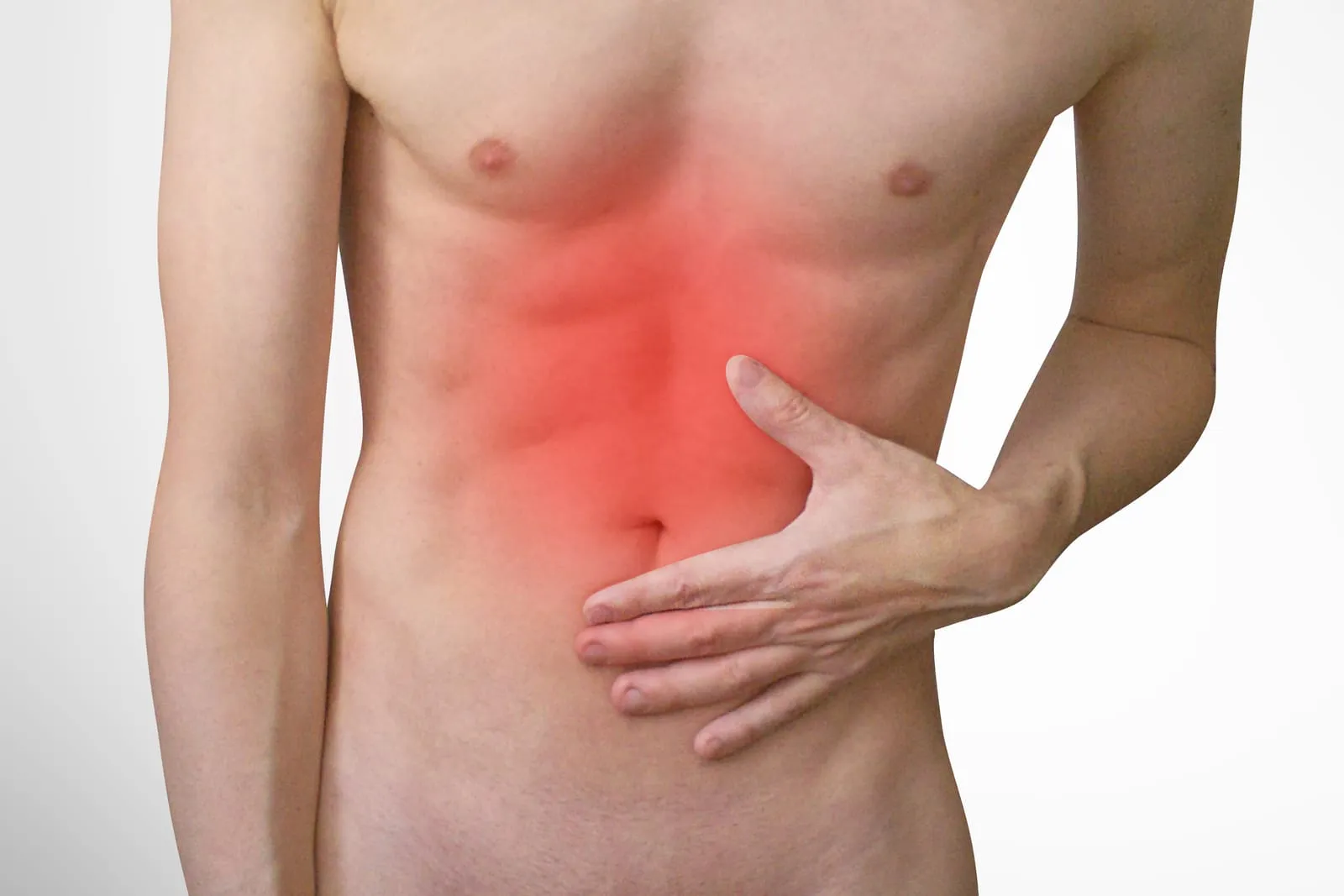
Almost everyone feels bloated now and then. A big meal, a fizzy drink or a rushed lunch at your desk can leave your trousers feeling tight by mid-afternoon. When it happens most days, though, it stops being a passing nuisance and starts to shape what you eat, what you wear and how you feel about your body.
Bloating is a feeling of fullness or pressure in the abdomen. It often comes with visible swelling, but not always. You can feel very bloated with no change you could measure with a tape. That is one reason it is hard to pin down: the cause differs from person to person, and often more than one thing is going on.
Common causes of bloating
Most bloating comes from gas, from how the gut moves, or from how sensitive the gut is to normal amounts of gas. These are the usual suspects.
How and what you eat
Eating quickly, chewing little and swallowing air along with food all add gas to the digestive system. Fizzy drinks do the same. Some foods are also more likely to cause gas because they are fermented by bacteria in the large bowel. Beans, lentils, onions, garlic, cabbage and wheat are common examples, and so are sugar alcohols such as sorbitol, which turns up in sugar-free sweets and gum.
Slow gut movement
When food moves through the gut slowly, as in constipation, there is more time for fermentation and more gas builds up. Many people notice they feel worse on days when they have not opened their bowels.
Food intolerances
Lactose intolerance is the best-known example. If you lack enough of the enzyme that breaks down lactose, the sugar reaches the large bowel undigested and bacteria ferment it. Bloating, wind and loose stools tend to follow within a few hours of dairy. Coeliac disease and other conditions can cause similar symptoms, which is why persistent bloating deserves a proper look from your doctor.
Gut sensitivity and stress
Some people produce a normal amount of gas but feel it more strongly. Stress, poor sleep and anxiety can all turn up the volume on gut sensations. This is part of why bloating is so common in people with irritable bowel syndrome.
The gut microbiome
Trillions of bacteria live in your large bowel, and they do the fermenting. The mix of species matters. Some bacteria produce a lot of hydrogen, some of that hydrogen is used up by other microbes, and the balance between the two can influence how much gas you end up with. Studies suggest that people with different gut microbiome profiles can respond quite differently to the same meal, which would explain why a food that bloats your friend leaves you fine.
Where the microbiome fits in
Your gut bacteria are one piece of the puzzle, not the whole answer. A microbiome test cannot tell you why you are bloated on its own, and it cannot diagnose any condition. What it can do is give you a picture of the community living in your gut, which you and a practitioner can use alongside your symptoms and diet.
Depending on the test, a report may show:
- how diverse your gut bacteria are, since very low diversity is often seen in people with ongoing digestive complaints
- the levels of bacteria that produce short-chain fatty acids, which help keep the gut lining healthy
- hydrogen-producing bacteria, which are linked in the research to excess gas
- markers linked to inflammation and to the gut lining
None of these is a verdict. They are clues. If your report shows low diversity and a high share of gas-producing bacteria, for example, that gives you something concrete to discuss when you plan changes to your diet.
What you can try first
Before spending money on any test, a few simple steps are worth a go for a couple of weeks:
- Eat more slowly and chew properly.
- Keep a food and symptom diary so you can spot patterns, such as bloating after certain meals or at certain times of the month.
- Cut back on fizzy drinks and sugar-free products containing sugar alcohols.
- Add fibre gradually. A sudden jump from the typical Irish diet to a very high-fibre one can make bloating worse before it gets better.
- Move after meals. A short walk helps food travel along.
Speak to your GP if bloating is persistent or comes with other symptoms such as unexplained weight loss, blood in your stool, ongoing changes in bowel habits or pain that wakes you at night. A test from us is not a substitute for that conversation, and it should never delay it.
Who might find a microbiome test useful
If you have tried the basics and the bloating is still there, and your doctor has ruled out anything that needs medical attention, a gut microbiome test can help you move from guessing to a more informed plan. People often find it most useful when they take the results to a nutritionist or dietitian, who can build a diet around what the report shows rather than cutting out foods at random.
Testing your gut microbiome
Our GI Axis test analyses your gut bacteria from a simple stool swab you take at home, and the report includes diversity, hydrogen producers and short-chain fatty acid producers. If you also want to check for parasites, fungi and certain pathogens that can contribute to digestive symptoms, GI Axis Advanced adds a further 28 markers. You can see all of our kits in the shop.